





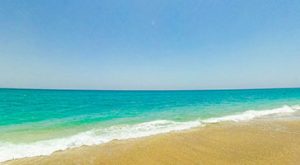
Each year beginning March 1, Martin County’s beaches transform into vital nesting habitat for threatened and endangered sea turtles. From March through October, species like loggerheads, greens, and leatherbacks come ashore under the cover of darkness to lay their eggs along our uncrowded shorelines.
For many overnight guests, witnessing a nesting turtle or a flurry of hatchlings heading toward the Atlantic is a once-in-a-lifetime experience. It’s also a moment that comes with responsibility. Here’s your guide to ensuring your beach day or evening stroll helps protect these remarkable marine visitors.
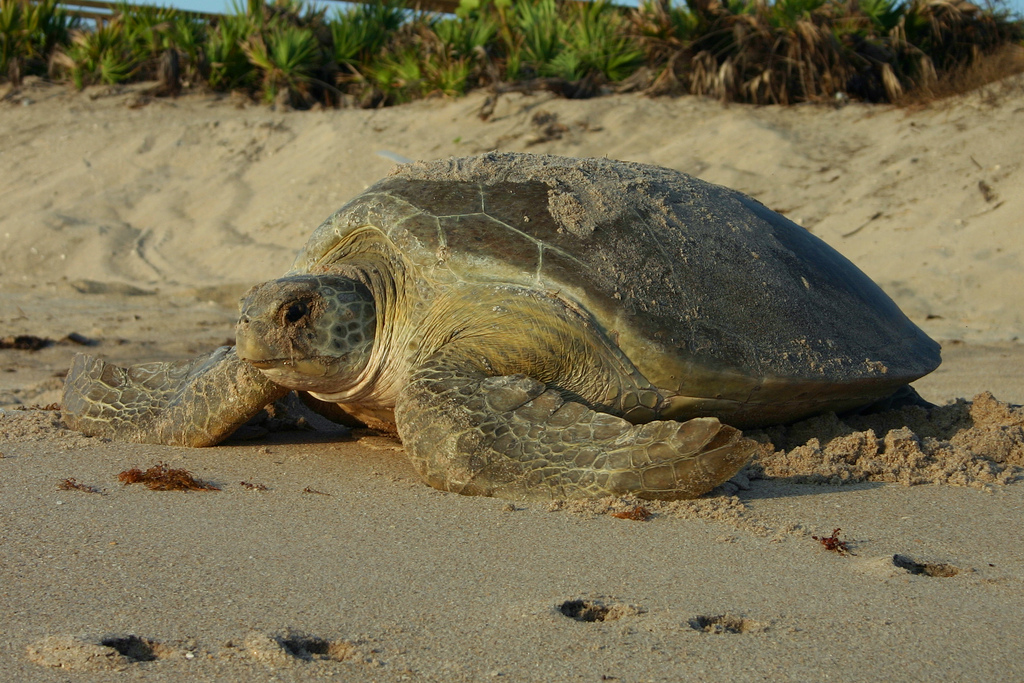
Green sea turtle spotted at Hobe Sound Nature Center
If You Encounter a Nesting Sea Turtle
Seeing a mother sea turtle on the beach is truly magical. Your role? Be a quiet, respectful observer.
DO:
-
Keep at least 10 feet away. Give her plenty of space to complete the nesting process.
-
Stay calm and quiet. Sudden movement or loud voices can cause her to abandon nesting.
-
Turn off lights. Artificial light (including cell phone light) can disorient turtles and interrupt nesting. If light is absolutely necessary, use a red-filtered flashlight.
-
Let nature take its course. Allow her to dig, lay eggs, cover the nest, and return to the ocean without interference.
DON’T:
-
Touch, approach, or attempt to assist her in any way.
-
Shine flashlights or use flash photography.
-
Crowd around her for photos.
-
Block her path to or from the ocean.
- Make noise that could startle her.
A startled turtle may abandon her nesting attempt, which means hundreds of eggs never get laid. Every successful nest matters!
If You See Hatchlings Emerging
About 45 to 70 days after eggs are laid, hatchlings begin their dash to the sea, typically at night when sand temperatures are cooler and predators are less active.
It may be tempting to scoop them up and try to “help,” but do not touch them under any circumstances. It is illegal to touch, disturb, or harass baby sea turtles, their nests, or eggs on the beach. Their crawl to the ocean is essential for survival.
DO:
-
Keep your distance and remain quiet.
-
Turn off or shield lights. Hatchlings orient toward the brightest natural horizon — the ocean. Artificial lights can disorient them and lead them inland.
-
Remove obvious obstacles like beach chairs, umbrellas, seagrass, or large debris (without touching the turtles).
-
Fill in holes and flatten sandcastles before leaving the beach. If may feel mean to demolish a child’s leftover architectural project, but trust us, it’s for the best!
DON’T:
-
Pick up, move, or transport hatchlings.
-
Use flash photography.
-
Dig in dune areas during nesting season, where nests are commonly located.
That short crawl from nest to ocean imprints critical navigation cues and strengthens their muscles. Interfering can reduce their chances for long-term survival.
Protecting Nests During Your Stay
During nesting season, you’ll likely see marked nests identified with stakes or signage. These areas are monitored by trained volunteers and wildlife professionals. But there are likely plenty of other unmarked nests in the area.
While visiting Martin County’s beaches:
-
Remove beach chairs, umbrellas, and toys at the end of the day.
-
Properly dispose of trash, like plastics and fishing line (which is especially harmful to marine life).
-
Avoid disturbing dunes.
-
Respect posted signage and temporary closures.
-
Keep beachfront lighting turtle-friendly (close curtains at night in oceanfront rentals and hotels).
Artificial light is one of the greatest threats to nesting success. Even the glow from a balcony can disorient both mothers and hatchlings.
If a Turtle Appears Injured or in Distress
Do not attempt to handle or rescue a sea turtle yourself. Sea turtles are protected under state and federal law. Let the experts do their jobs.
Contact the Florida Fish and Wildlife Conservation Commission (FWC) Wildlife Alert Hotline at 1-888-404-FWCC (3922) and provide:
-
Exact location (beach access point, nearby landmarks).
-
Description of the turtle’s condition.
-
Any visible injuries or entanglements.
Prompt reporting allows trained responders to act quickly.
Learn More While You’re Here
Martin County is proud to support ongoing sea turtle education and conservation programs. During your visit, consider visiting:
-
Florida Oceanographic Society — Offers coastal education programs and marine life exhibits that highlight sea turtle conservation and you can even meet their rescued sea turtle residents.
-
Hobe Sound Nature Center — Provides environmental education and seasonal programming focused on native wildlife and ecosystems (including nighttime sea turtle walks).
-
Treasure Coast Wildlife Center — A rehabilitation facility caring for native wildlife and advancing conservation awareness.
- Join an Explore Natural Martin Eco-Tour — the Martin County Office of Tourism offers free, specially-permitted sea turtle programming (advance registration is required).
Why It Matters
Florida hosts one of the most significant loggerhead nesting populations in the world. Our beaches in Martin County are not just beautiful vacation backdrops; they are globally important wildlife habitat.
By following simple, respectful guidelines, you become part of the conservation story. Your choices, like turning off lights, filling in holes, and removing beach furniture, directly increase hatchling survival rates.
When you visit Martin County during sea turtle nesting season, you’re not just enjoying paradise. You’re helping protect it for generations to come.